48 hours in Pittsburgh
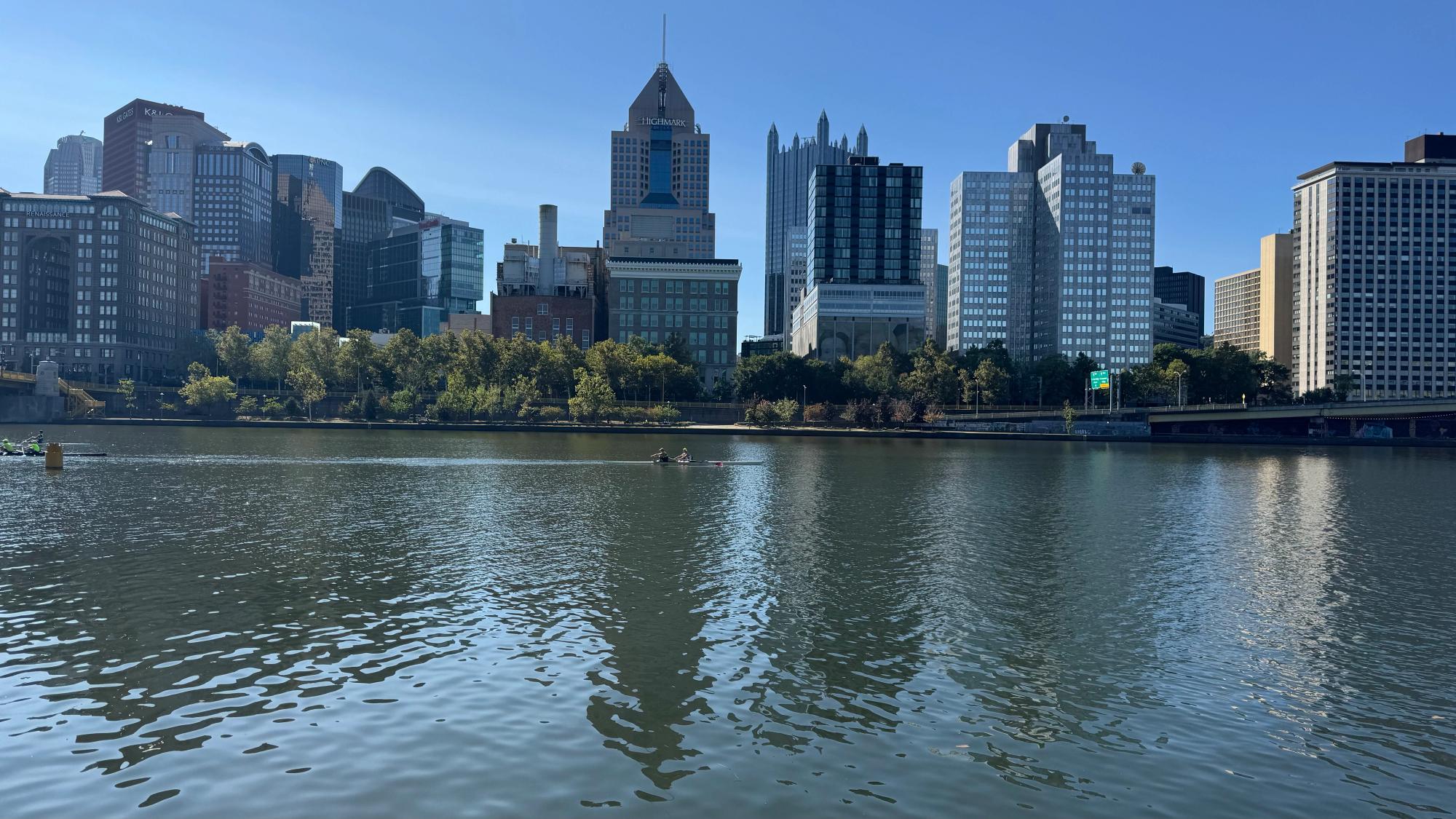
We arrived in Pittsburgh on a Saturday; I’m flying home alone on a Monday. The plan was for me to join my wife for her conference, visit the Andy Warhol Museum, and kick around for a couple of days. However, work conspired to cut my plans short. The website was supposed to launch on Tuesday.I’m a team player. I changed my flight from Wednesday to Monday. The site will now launch in October (allegedly). It was too late to change my flight back.
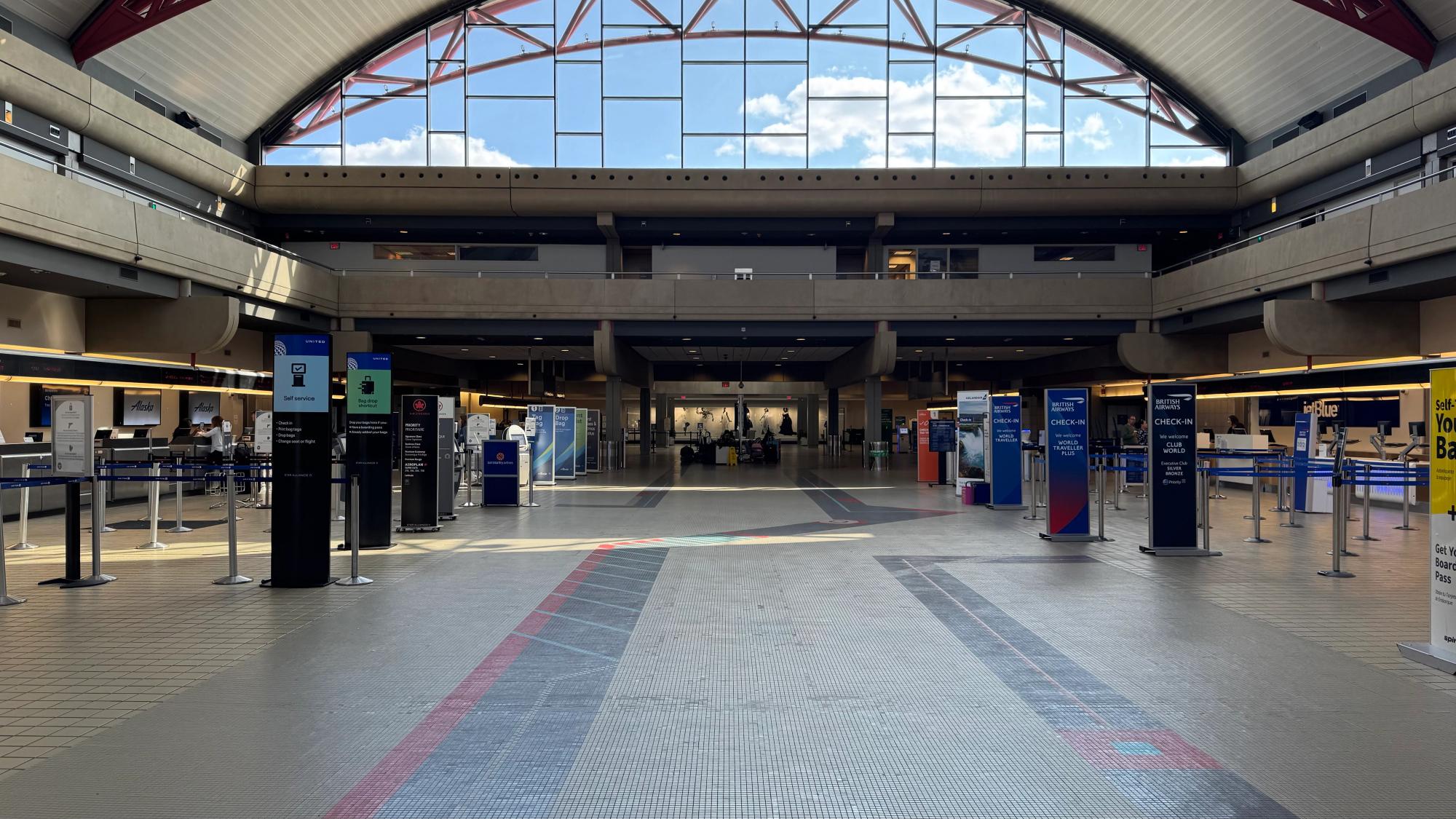
We arrived in the near-Brutalist retro-70s Pittsburgh International Airport. We tried to catch a Lyft, which got lost somewhere in a parking structure, doing donuts. We watched the little car icon circle the map. We cancelled the Lyft and grabbed a awaiting cab.
Our driver was a friendly and charming local fella. We chatted and compared Portland and Pittsburgh. We drove through a tunnel and emerged on a bridge near the confluence of the Allegheny and Ohio rivers, with the Pittsburgh skyline sparkling in the background.
Downtown Pittsburgh is really pretty. I was surprised, I don’t know why. Surely I didn’t expect to see steel mills belching fire and smoke into the sky. My wife’s conference has us at the Omni William Penn hotel - a beautiful old stack of red brick in the heart of downtown.
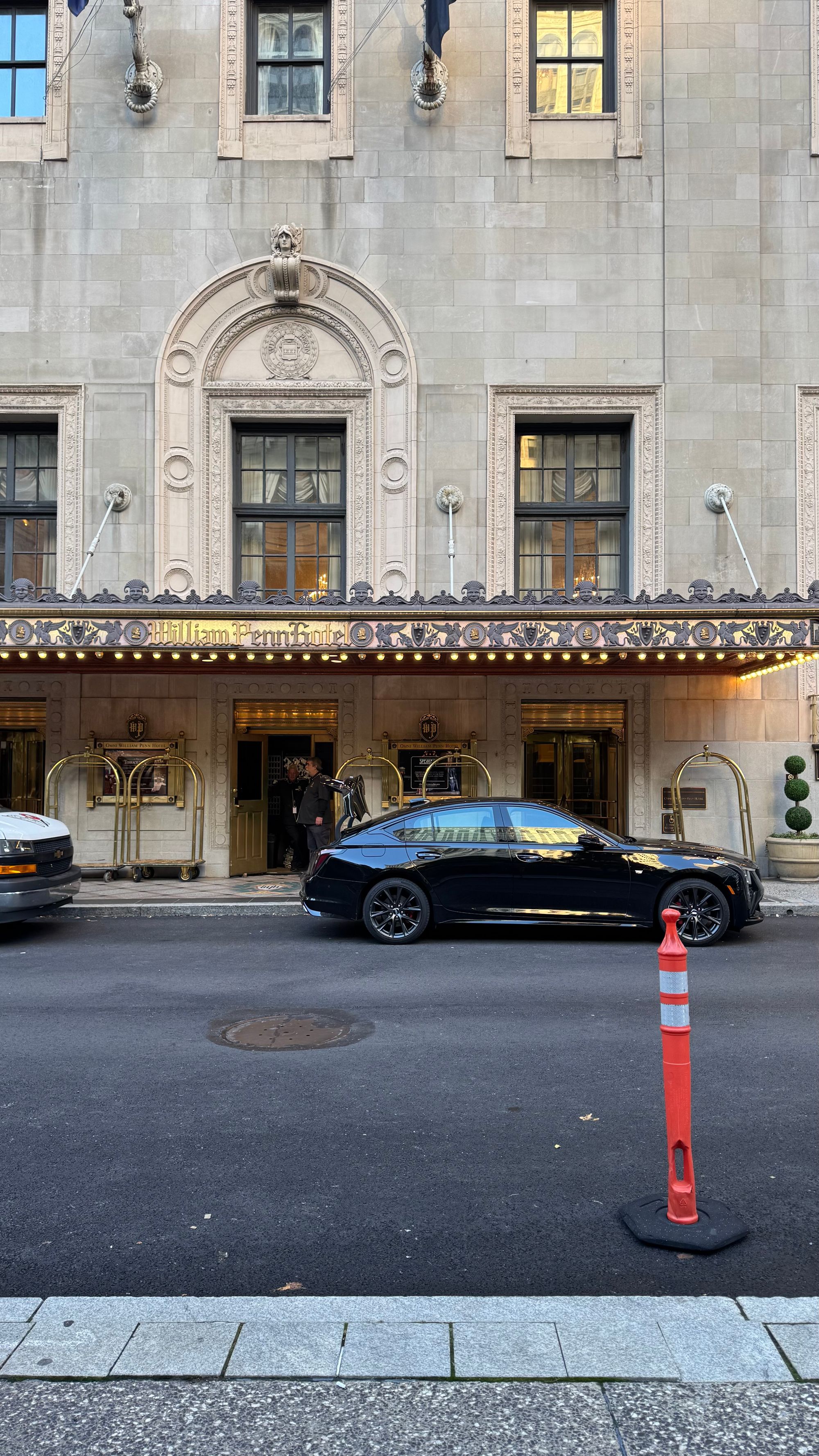
After checking in, we rode the elevator up and opened the door to an enormous, opulent suite. An administrative error which we were not willing to financially absorb. We were very careful not to touch anything. I ran downstairs and made the rather unusual request for a room downgrade. I bounced back upstairs with two new room keys, relocated us down one floor to a standard, but still quite lovely room, then quickly returned the previous room keys to the front desk. With all of this finally sorted, we went downstairs to find food and alcohol.
I love to tag along with my wife to these conferences. I get a break from routine and see a part of the country I might not visit otherwise. Not long ago, we visited St. Louis for a conference and discovered a lovely city with a fantastic art museum and a wonderful zoo and the friendliest people you could ever hope to meet. I got to repeat a trip to Denver and revisit the Clyfford Still Museum.
It’s great. I get to rediscover America and get a mostly free hotel room out of the deal. When this trip came up, and my wife asked if I had any interest in visiting Pittsburgh (the answer is always “yes”) but I had a faint recollection, I quickly Googled to confirm: the Andy Warhol museum is in Pittsburgh!
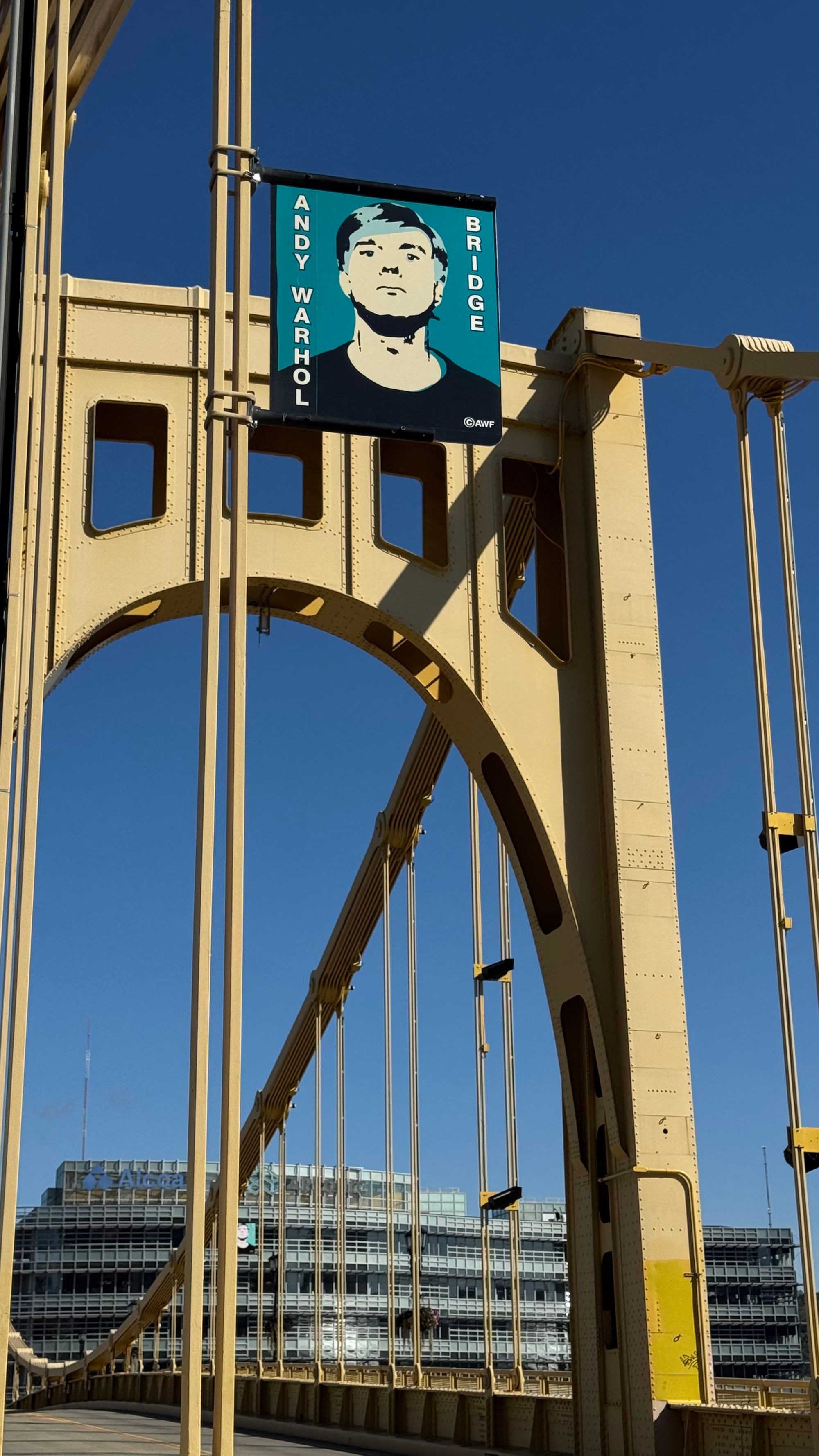
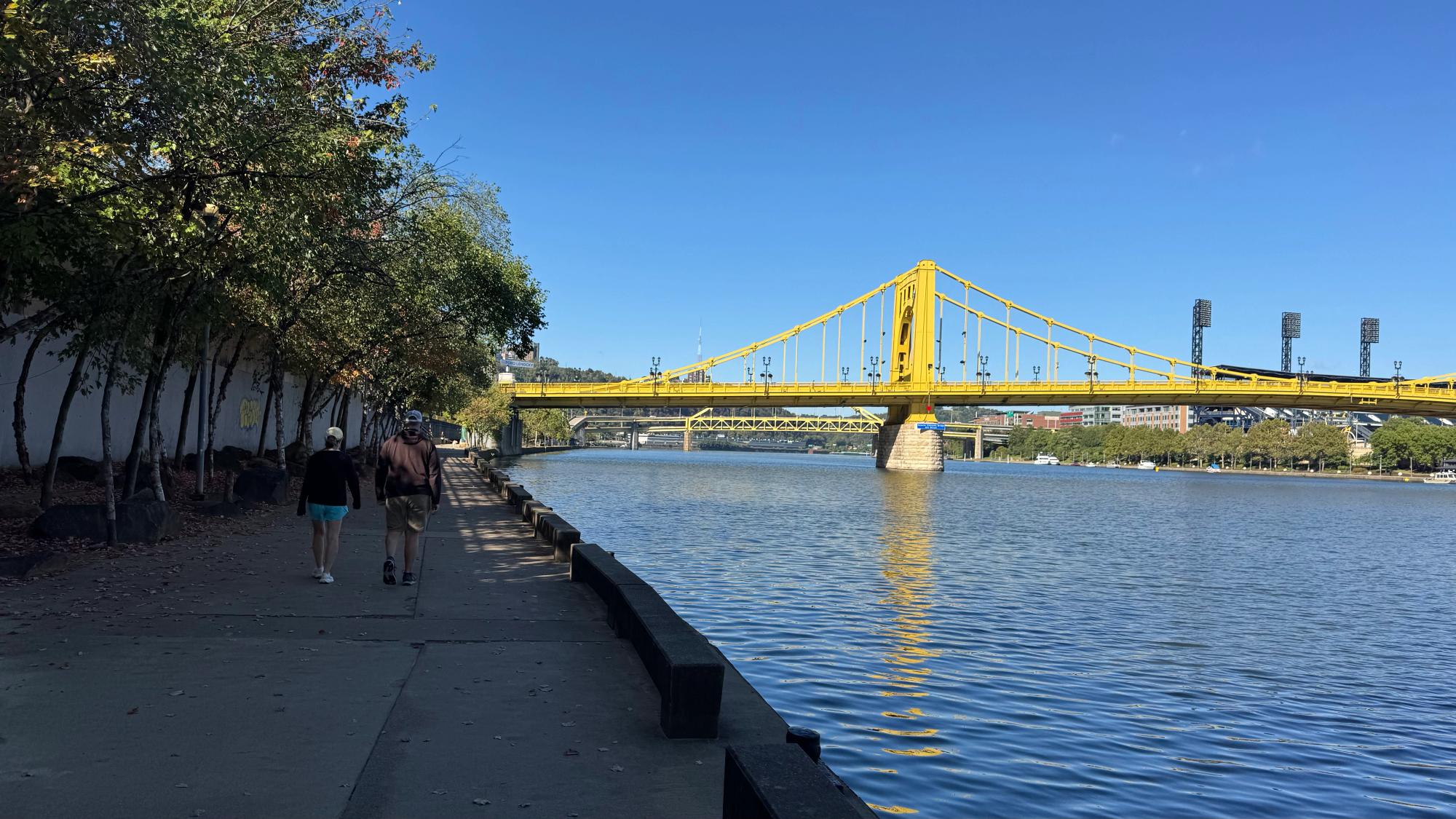
The next morning, on Sunday, I found us a tasty quiche in the coffee shop downstairs. We lingered over coffee and then made our way West from our hotel through downtown Pittsburgh to the 7th street bridge.The bridges surrounding downtown Pittsburgh are painted bright team-spirit yellow. We’re too early for the museum so we walked along the waterfront, talking, and enjoying the sights along the river. We took a right turn, back uphill, and found a cute coffee shop with cute hipster ladies working and apologizing for the lack of recycling. One young lady took our glass bottles and promised to deliver them to Maine to be recycled the next time she visited her parents.
The museum opens at 11 on Sundays. I like to avoid crowds and lines and I’ve done a good job. We stroll up to the front desk, I show them my phone so they can scan my receipt, and off we go to the 7th floor to wind our way down through the collection.
On the 7th floor the museum opens with a bit of context. Who is Andy Warhol? Who is his family? Where did they come from? What was Pittsburgh like back then? Some ominous black and white photos of war-time Pittsburgh showed the daytime sky dark as night, street lights and headlamps ablaze as the smog from steel production blocked out the sun.
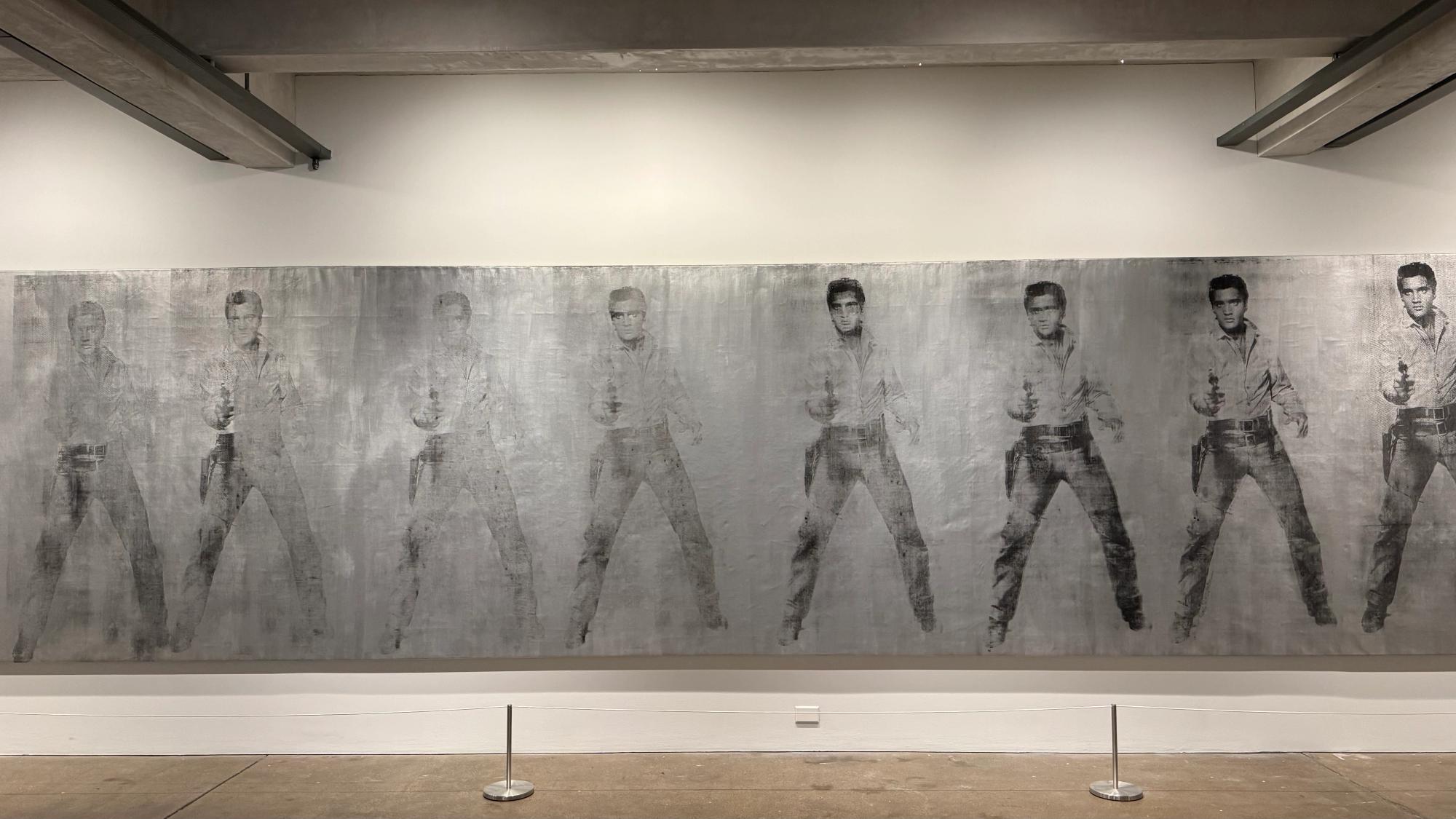
Right before this trip, I finished listening to the audio version of Blake Gopnik’s biography of Andy Warhol for a second time. The audio book is about 43 hours long. I’ve listened twice, meaning I’ve clocked in about 90 hours of educational audio and I am bursting with Andy Warhol facts. And I am annoying. I can’t stop providing context to everything we see with the excited tone of a little boy explaining his favorite Transformers toy to his grandmother. You see, it’s not just a truck he’s a robot, he’s a robot in disguise (as a truck), and he’s from space, but the toys are from Japan though.
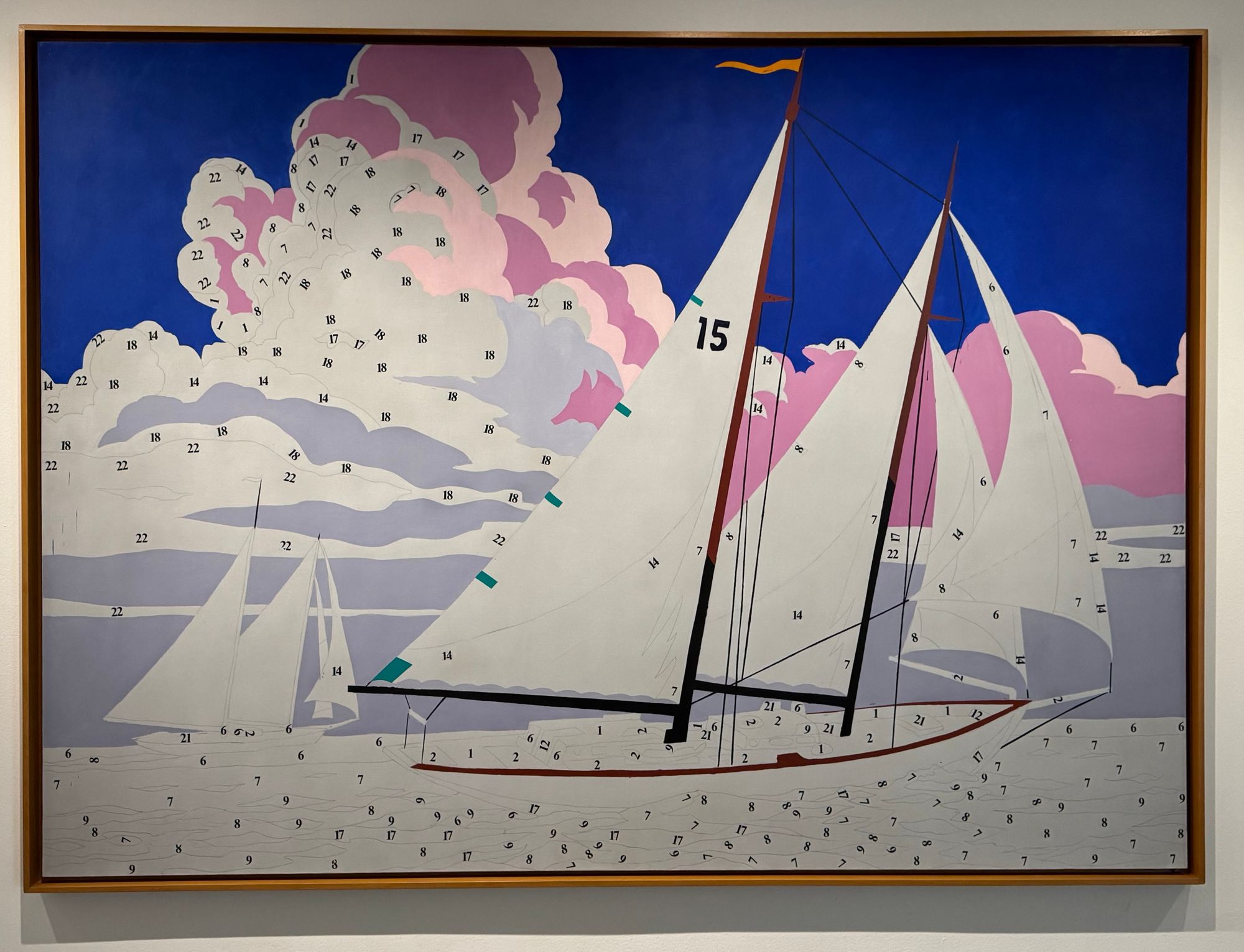
The museum collection begins on the 7th floor. The collection is organized roughly chronologically as you move downstairs. As we pore over old family photos a tour group appears. The group is neither quiet nor reverent enough for my liking. So we sneak downstairs and into the future a couple of decades. When the tour group makes its way downstairs to find us, we snuck back upstairs hoping we stay one or two floors behind them.
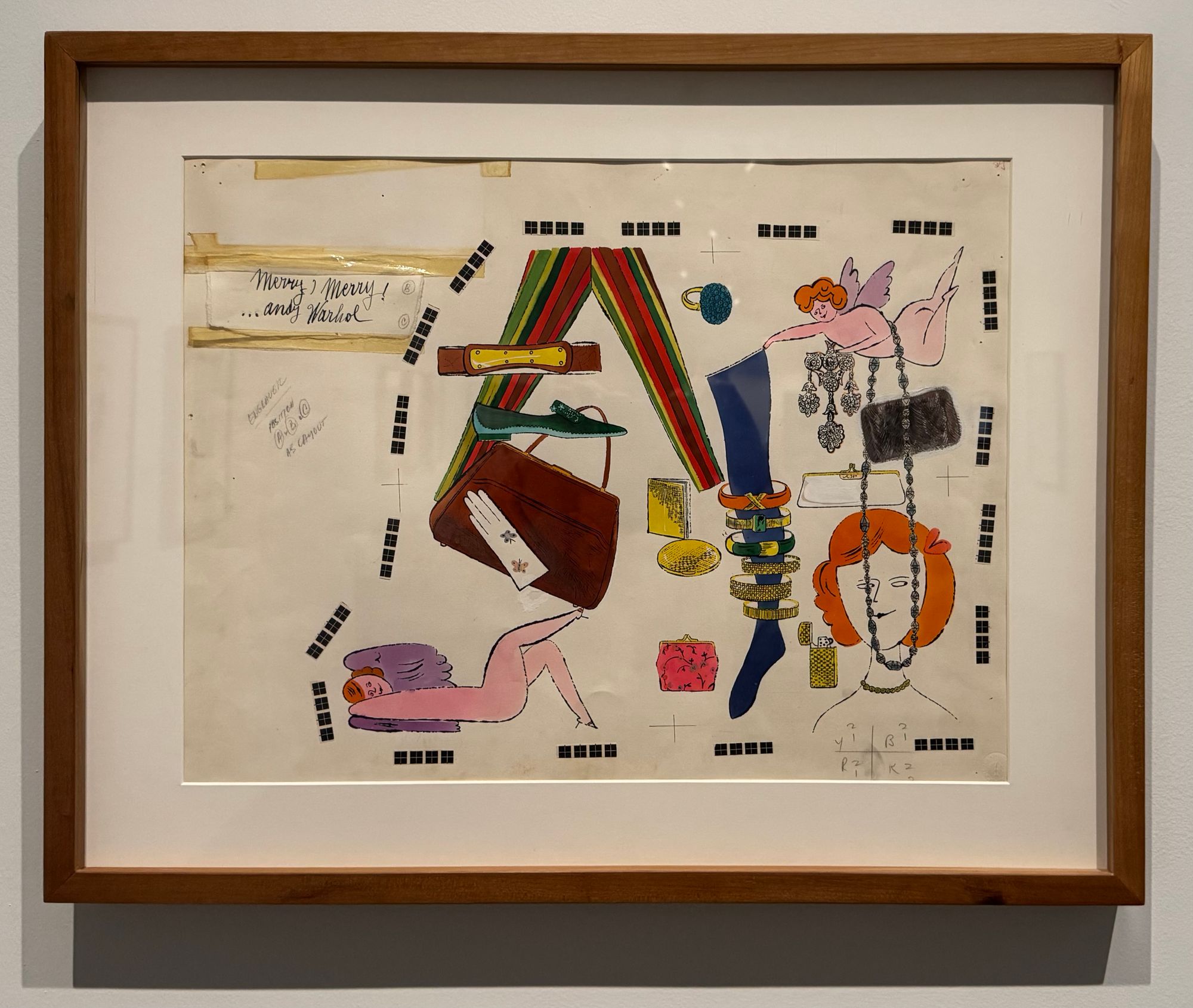
I was very happy to finally see some of Warhol’s early commercial work. Warhol worked as an illustrator in the 1950s and perfected a blotted-line technique which caught the eye of major art directors all over New York. Warhol’s illustrations were used to sell classical music, clothes, and shoes. The drawings are really beautiful.I loved seeing these early works. It shouldn’t matter, but I loved seeing the evidence. Warhol was very skilled traditional artist. He could do anything. He chose to silk screen soup cans.
The works on display have camera-ready registration marks and the ephemera of the mid-century pre-press process. Most of his commercial illustrations were destroyed. Commercial art only lives long enough to make it to the printer.
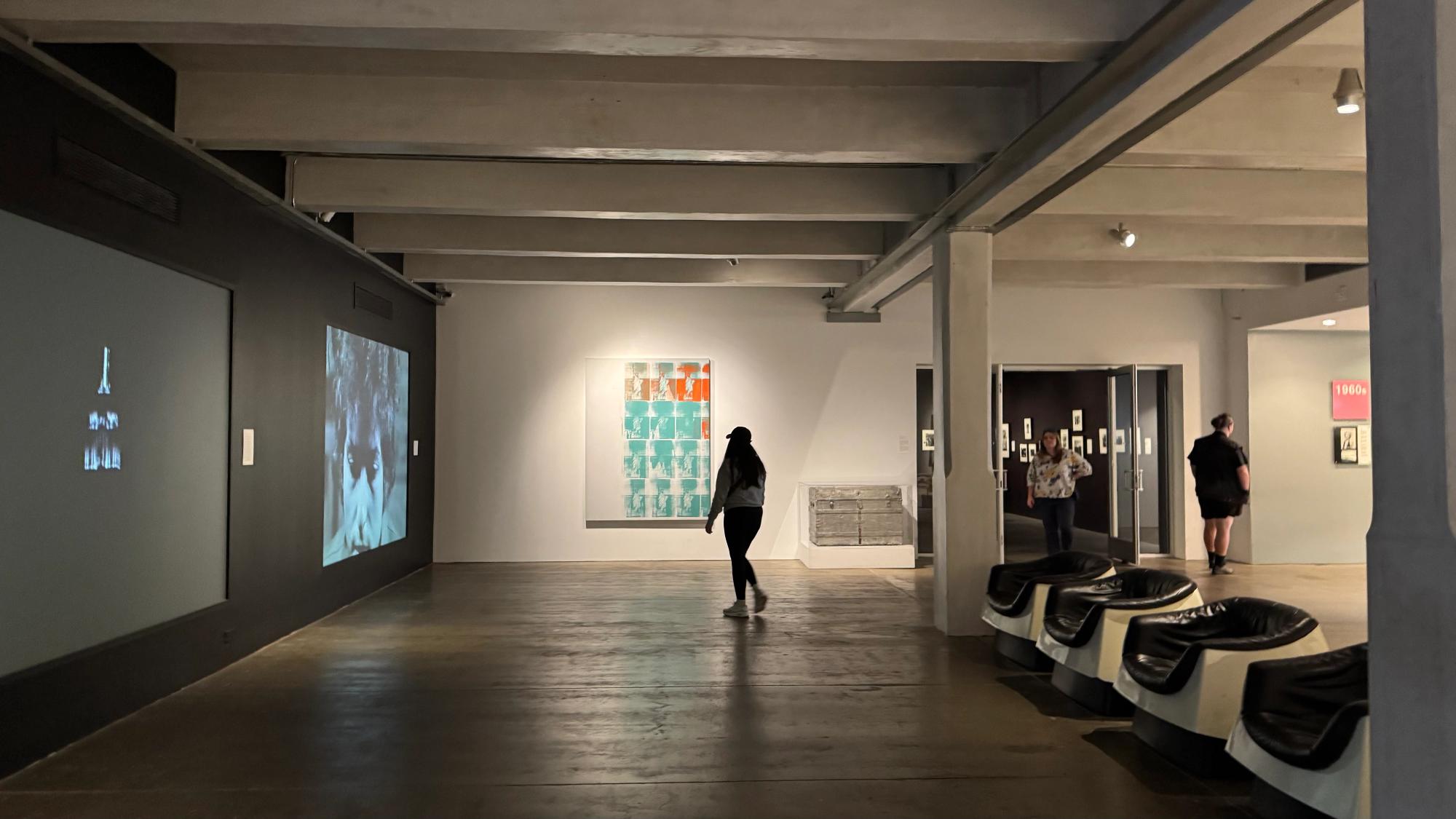
One floor featured Warhol’s experimental and underground film. On one big wall Empire was flanked by rotating screen tests. Empire is an 8 hour film study of the Empire State Building over the course of one night. Warhol and his crew obtained access to an office with a window facing the skyscraper. They turned out the lights, mounted the camera on a tripod, turned out the lights, and pointed it out the window. The result is what you might expect. There’s the Empire State Building just sitting there like buildings do. The sky gets dark, lights go out. There it is. Supposedly you can catch a reflection in the window glass from time to time, when one of Warhol’s crew lights a cigarette in the dark. I wasn’t lucky enough to catch that.
Sitting in a movie theater and watching a building just be would probably be a pretty terrible theatrical experience. But the movie projected on a wall as art works really well. It becomes a kind of documentary painting. Here is a block of time which happened in the universe at a particular place. I think about Empire whenever my Apple TV goes into screen saver mode and shows me slow drone footage of San Francisco. So much of Warhol’s work is eerily prescient. The screen tests, too, feel weirdly modern. The concept is simple. You sit here, Warhol puts hid camera on a tripod, points it at your face, and starts recording until 3 minutes of film run through the camera.
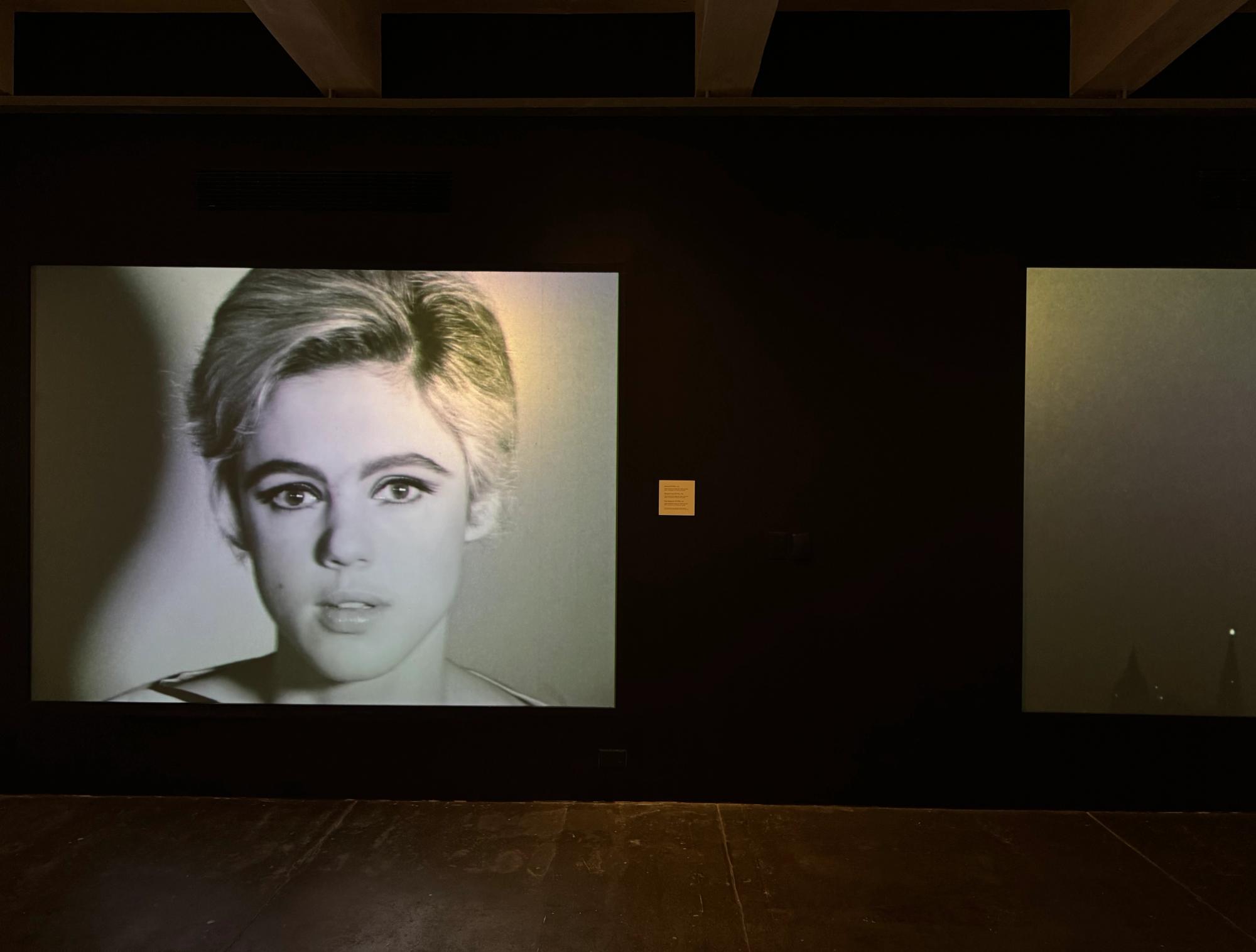
I watched 3 minutes of beautiful young Edie Sedgwick give good face to the camera. She understood the assignment. The screen test flanklinkingEmpire on the opposite side featured some young rock-and-roller dude who fidgets, smokes, and drinks a coke from a glass bottle. Both little films are self-conscious, self-aware, three minute selfies. They’d be right at home on Instagram.
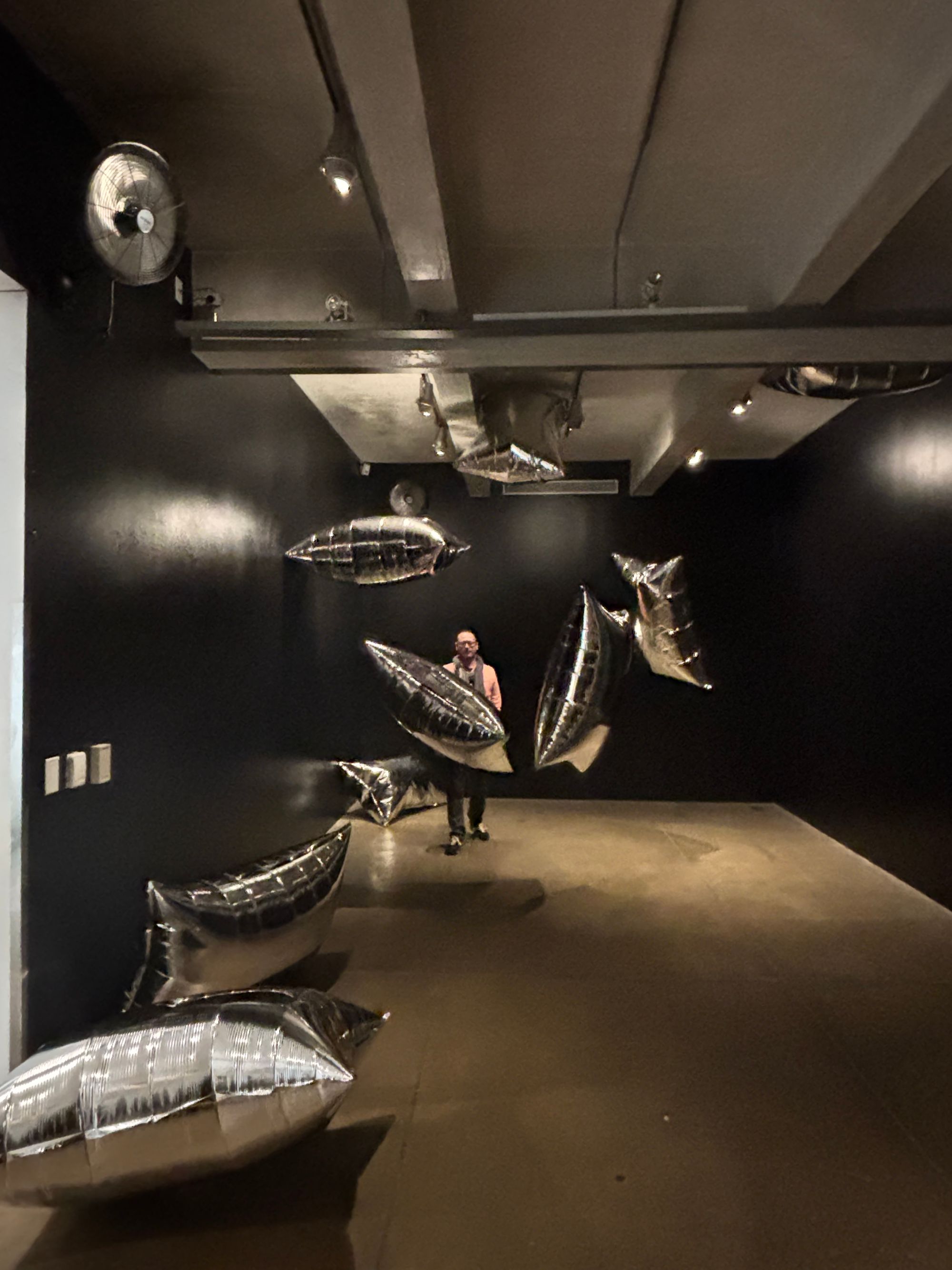
On a lower floor Warhol’s archives and time capsules are stashed behind secured doors. Warhol was an avid collector and a bit of a pack rat. He turned both proclivities into a life long conceptual art piece by filling identical banker’s boxes with the detritus and ephemera of theday annotated, dated, sealed, and stored. These boxes contain letterhead from a screen printer, snapshots, McDonald’s receipts, junk mail, all manner of random stuff. Some of the contents of these capsules have been laid out, under glass, so you can peruse it. It’s a wonderful junk drawer from 60 years ago.
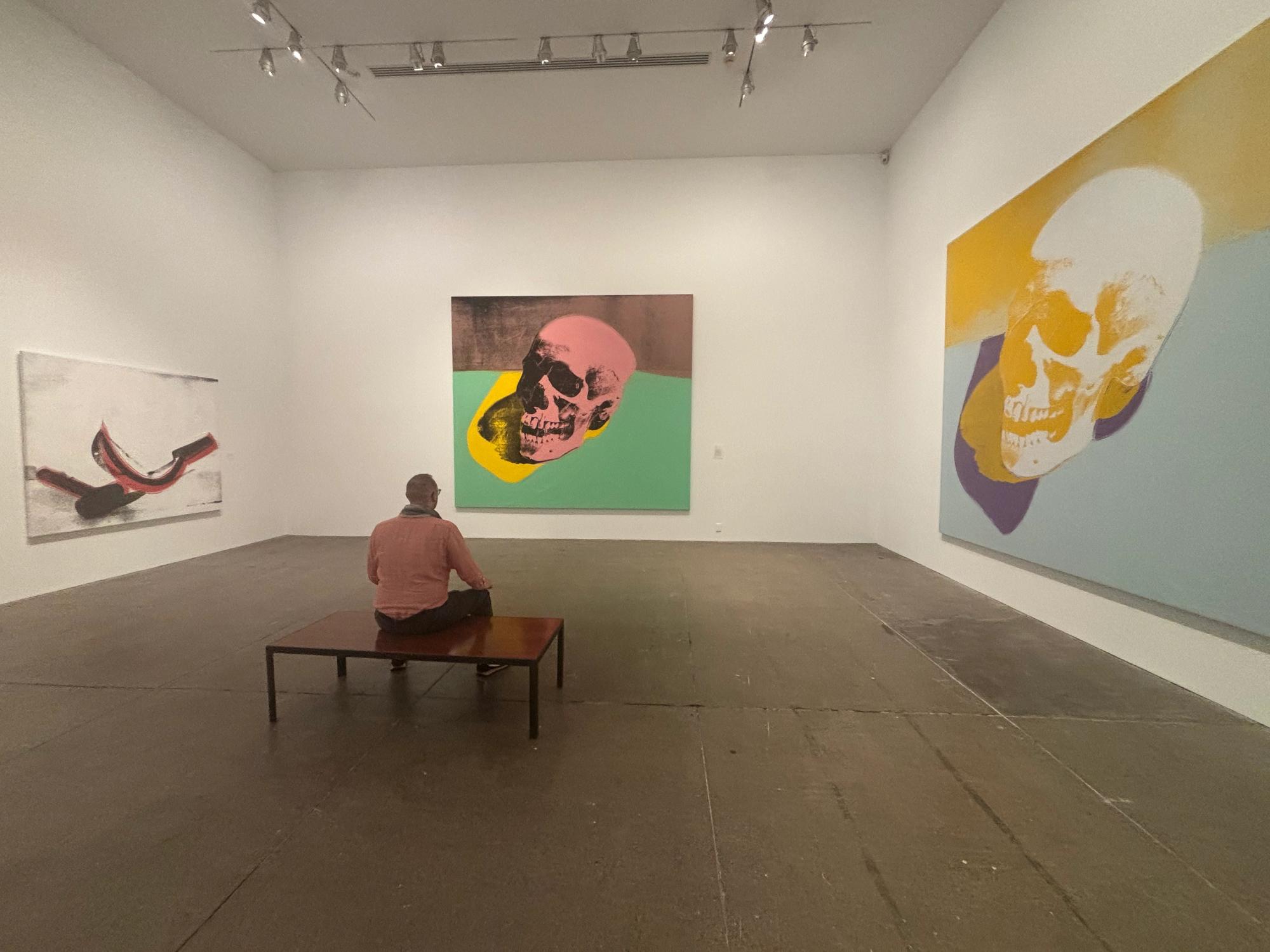
On the way out of the museum, we stop to enjoy some of his later paintings, from the 1980s. Huge skulls, memento mori on a grand scale, in happy pastel colors. These paintings are just great and they made me very happy.
Back to the first floor, we took photos in an old fashioned photo booth. I tediously explained how Warhol used photo booths to create the source material of his first commissioned portraits. He’d drag his subjects around town to photo booths, with a bag of quarters, taking dozens of photos. He’d pick the very best and have them enlarged and turned into photo silkscreens.
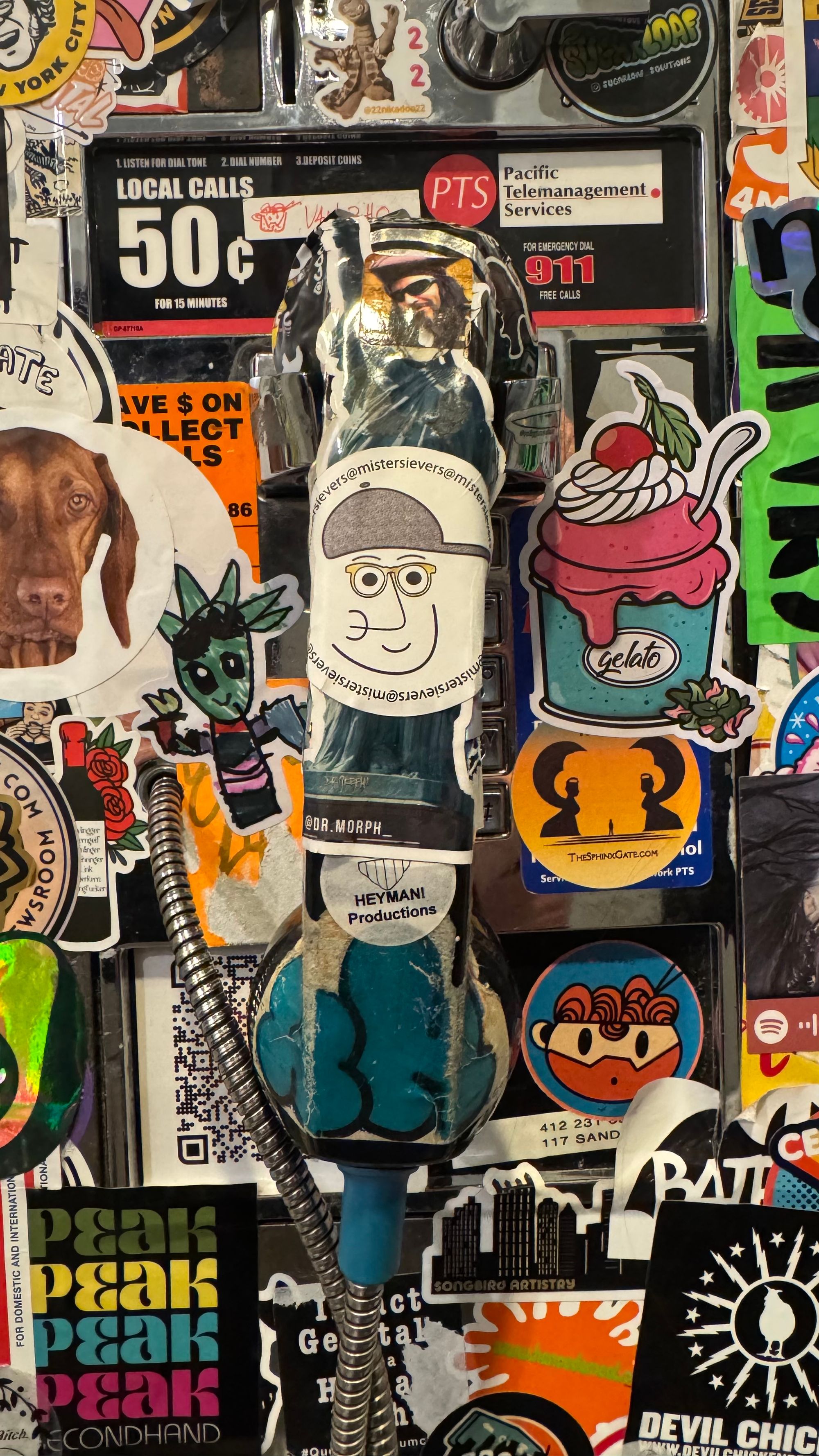
On the way out we stopped at the museum café to have a Coke in a glass bottle (of course) and bask in the afterglow of my fanboy afternoon before walking back across the bright yellow bridge to our hotel.
Subscribe
New work and writing, straight to your inbox.