Three shirts
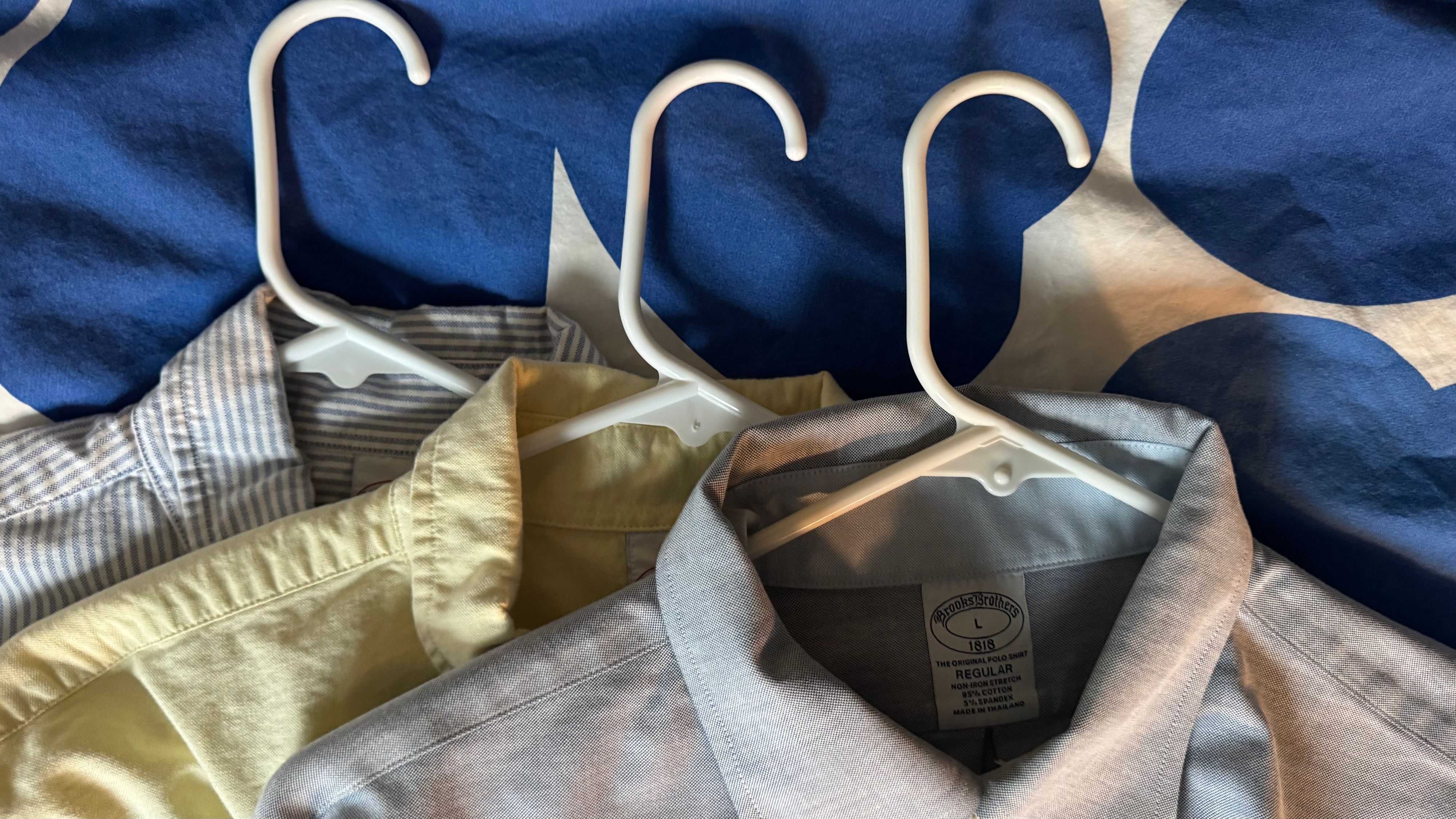
Last summer I listened to season 3 of Articles of Interest all the way through for a second time. The host of the podcast, Avery Trufelman, discussion fashion the way you might talk about art history: providing context and cause for fashion in history and culture.You not only learn what a blazer is, but why they are the way they and where they come from.
Season 3 of the podcast discusses the Ivy Style. When I first listened to this series, I remember having a shock of recognition. Oh that’s me. Ivy style is the progenitor of what we might call “preppy” today. It’s a very American (and democratic) way of dressing that began with kids enrolled at Ivy League schools. Think Oxford-cloth button-down polo shirts with a sweater and chinos. Maybe the sleeves are rolled up. Maybe the pant-cuffs are rolled up to do some rowing. Sporty, active, collegiate clothes. Well made casual wear that can be dressed up with a jacket and tie but isn’t ashamed of a little wear-and-tear. In fact, being a little bit worn, and a little bit rumpled is a point of pride. It’s the gentleman’s C of fashion. A disaffected, confident, elite, cool without trying too hard. I’ve been trying to dress this way for as long as I can remember.
At the same time I was listening again to season 3, I was also working my way back through Blake Gopnik’s biography of Andy Warhol, in preparation of visiting the Warhol Museum. When Warhol entered his business art phase he dropped his “Raggedy Andy” persona and style of dress and took to shopping at Brooks Brothers. He was co-opting the fashion and cultural language of his future patrons. There’s a great photo of Warhol, taken by Annie Leibovitz, where Warhol is dressed in a blazer, sweater, shirt and tie, blue jeans, and smart leather shoes. Warhol points his camera at the camera, holding his tape recorder under his arm.
In college I remember my uniform of a thrift-store blazer, button down shirt, and paint slathered jeans. I think I somehow absorbed this look from history. Young men my age certainly didn’t dress this way. Most of my professors looked like they just fell out of bed. Learning first that my amorphous understanding of men’s fashion was a real thing with a name and a history and then learning that my art history icon is also a fashion icon felt like parts of my brain clicking together like magnets.
When I visited Pittsburgh last September I was primed with fresh sartorial vocabulary from the podcast and buzzing from a fresh visit to the Warhol Museum. The trip coincided with my birthday and Brooks Brother’s was right around the corner from my hotel. I decided to treat myself to a new shirt. I left with three. (They were having a sale).
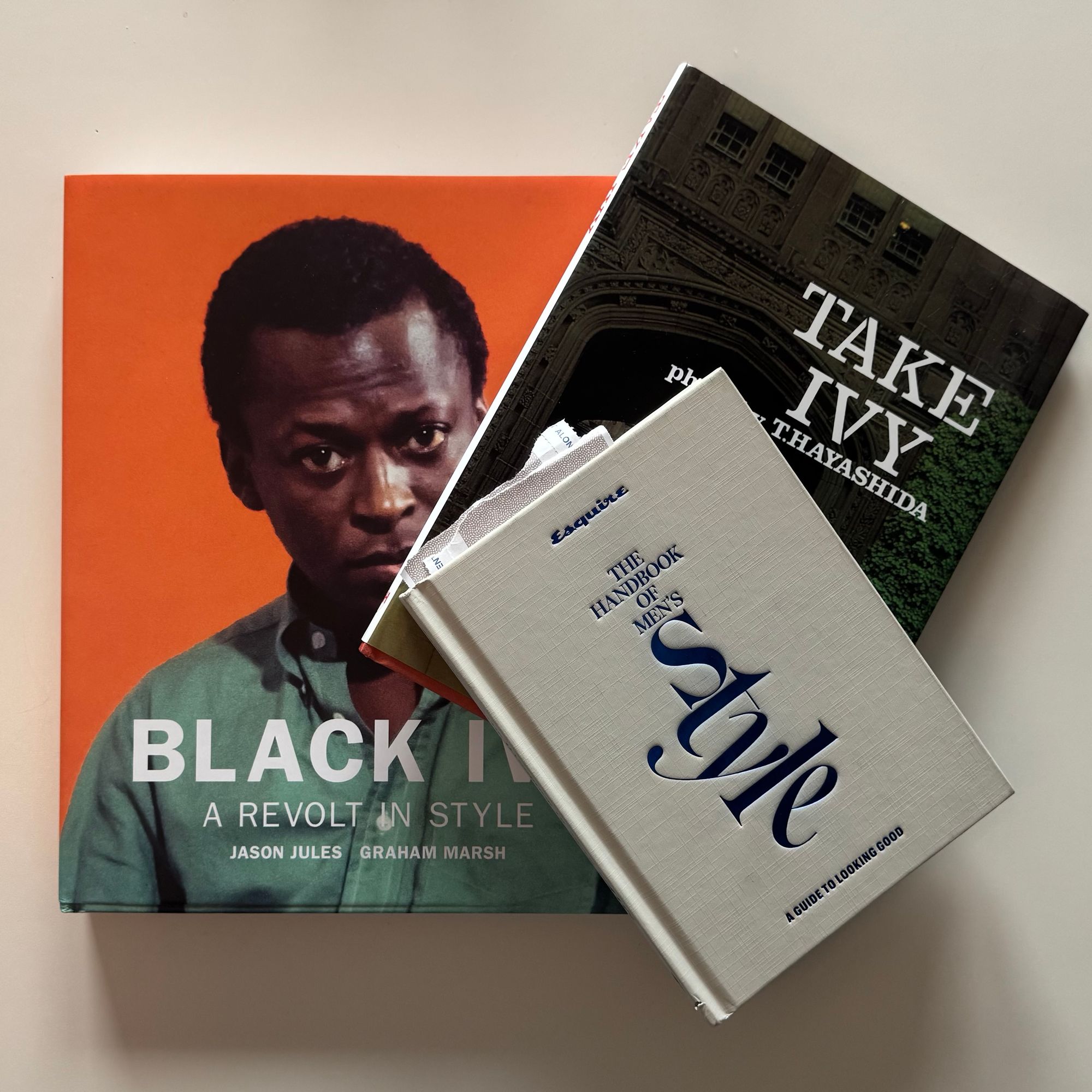
I got to chatting with the two salesmen working that day. One shared his battered and tattered copy of Esquire’s Handbook of Style (with a photo of Andy Warhol dog-eared). We talked about the podcast. I asked for a belt to match some brown leather shoes I was wearing. They refused to sell me one, because none were a good match. As we wrapped up the sale, the fellow who was helping me neatly remolded the shirts I had tried on. He pulled and snapped the fabric so that the shirt looked as if it had never been worn.
Since then, I’ve retired several worn-out Uniqlo shirts and replaced them with higher quality shirts from Brooks Brothers. Now, I adore Uniqlo. Uniqlo’s history is tied up with Japanese innovators who imported the Ivy Style to Japan in the 60s. I remember stepping into a 3-story Uniqlo in Osaka on my first trip to Japan. It was bright and clean and radiated calm. I bought a knit long-sleeve shirt that scored me complimentsfor years. Uniqlo is affordable (not cheap) in part because there is less fabric in each shirt, comparatively. A Uniqlo shirt worn twice will not just wrinkle but will hold creases around the elbows and armpits. It looks truly worn. The shirt tail will grow creases up from the belt line and look truly shabby. Washing and ironing will fix all of this. But, a Brooks Brothers shirt recovers fully after a night on a hanger or a door knob. On day three it’s a little rumpled, but the rumples have character. It still looks good. These shirts will be washed less, worn more, and last longer. It’s a great example of the old saw “buying quality saves you money in the long run”.
Subscribe
New work and writing, straight to your inbox.